


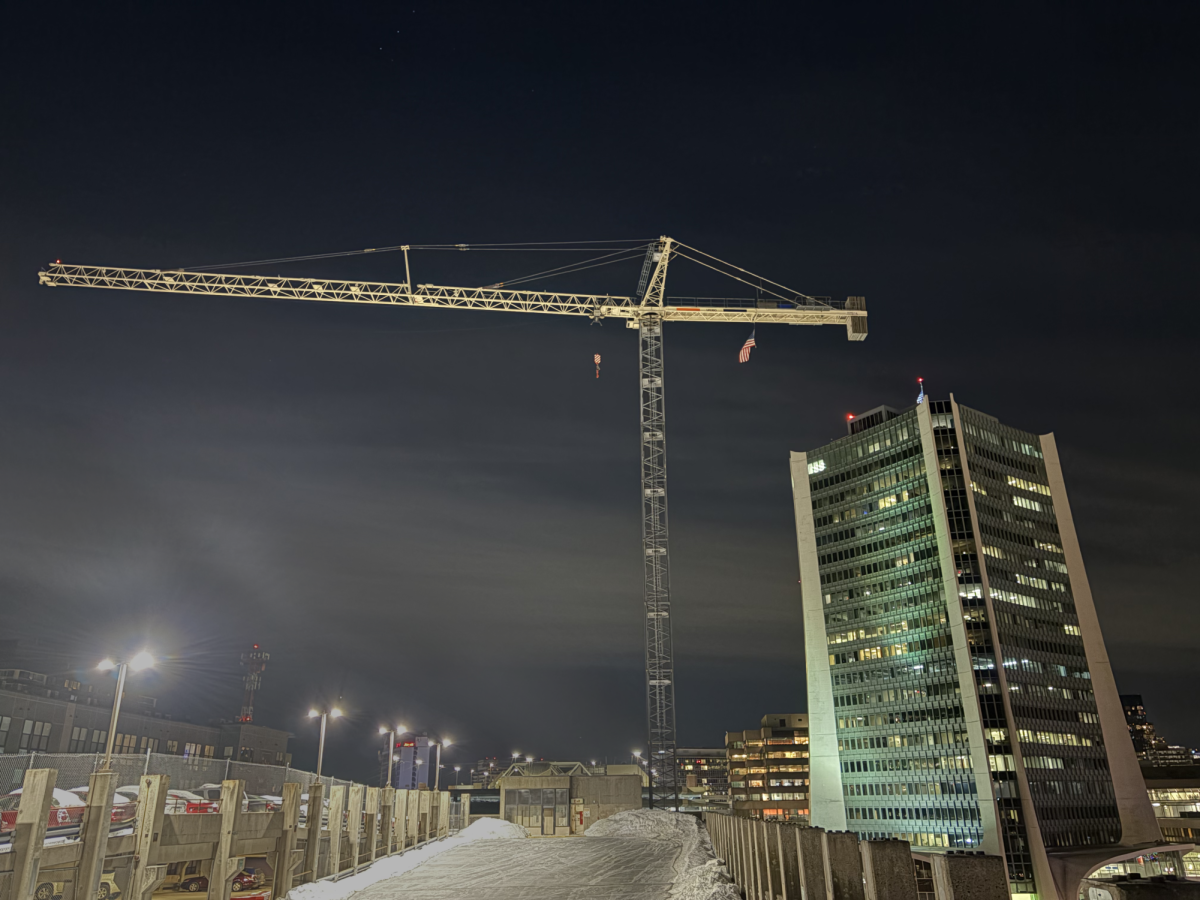
On paper, Stamford looks like a success story. New apartment towers keep rising over downtown, the city’s population has grown to the second largest in Connecticut[i], and online real estate sites now put the typical home price close to $675,000[i], well above the national average at $430,000[i]. Put simply, these prices have made Stamford unaffordable for the teachers who work here.
Several Stamford High staff members describe the same trade-offs they’ve had to make to teach in Stamford’s classrooms: multiple incomes, side jobs, residing in less expensive towns, sometimes even enduring daily drives of up to two hours each way.
It’s a balancing act to be a teacher at Stamford Public Schools. Stamford High Teacher Ryan Pirro tells us he is lucky enough to have a commute of about five minutes. He calls Stamford “extremely unreasonable” for most educators without “two sources or multiple sources of income.” When a new teacher is trying to keep up with the high local cost of a mortgage or rent, plus student loans, groceries, transportation, and other basics, Pirro argues the math often pushes staff toward extra work beyond the school day.
The pressure on staff may not be immediately apparent, though it has a noticeable effect on how teachers live week to week. Pirro says a new teacher’s salary can be “hard to live off of,” and believes some educators feel like they have “no choice but to work nights and/or weekends,” taking on side jobs such as coaching, tutoring, babysitting, or restaurant work. Those extra hours help pay for bills, but they almost always mean less sleep and increased burnout. For teachers who don’t add side work, the other option is often living somewhere cheaper and paying for it with their commute time.
For teachers who choose to live elsewhere, the commute becomes a part of the job seldom acknowledged. Daniel Ostasiewski, a relatively recent addition to Stamford High’s teachers, zeros in on the local traffic, saying “the highways around Stamford are considered one of the most congested traffic areas in the entire country,” and that Stamford commuters can face up to “1.5 – 3 hours in the car daily.”
That time has to come from somewhere. It replaces hours that could otherwise go toward planning lessons, grading, meeting with students, or maintaining personal health and family time.
Years ago, Stamford High teacher Adam Scianna decided that a modest house in Stamford was far more affordable in Shelton, choosing to trade proximity for a longer drive. “I leave my house around 5:30 – 6:00 a.m. and it takes from 45 minutes to an hour to get to work. I leave after my coaching responsibilities at 4 p.m. and it takes about 1:15 to 1:30 to get home.” Fast forward to today, “I think it would be tough for new teachers in Stamford to even find an affordable house in Shelton, let alone Stamford or any of the surrounding towns.” Perhaps it’s a sign that teacher salaries on a broader level haven’t kept up with expectations; Scianna’s comment could imply that the cost-of-living crisis in Stamford also shares characteristics with other towns in Fairfield County.
Students may never see a teacher’s rent or mortgage statement, but they do feel the effects of staff around them being stretched thin. Scianna notes “it was a lot easier for me to volunteer for things at school or go to school events when I lived in Norwalk. Now living so far away, it becomes much more of an effort.” Students see less support at games, concerts, clubs, and may find the teachers they need extra help from unable to assist.
This creates a particular kind of inequality that simple wealth metrics miss. Stamford students attend well-funded schools in an affluent city, though they may receive less time and energy from teachers than students in more affordable communities do, where staff live nearby.
For now, Stamford’s teachers manage to keep making the math work through second jobs, long commutes, and careful budgeting. How long that remains sustainable depends on whether the Board of Education and city leaders see teacher affordability as a priority or push it aside as an expected effect of Stamford’s growth, and with it, our education.