


In the musical “Urinetown”, Penelope Pennywise sings, “It’s a privilege to pee,” Likewise, in Shakespeare’s time, the rich could sit in the superior, soft, velvet chairs, while the poor had to stand for a penny. Fast forward to the 21st century. This aforementioned socioeconomic gap in theatre is still prominent, where wealthier people can afford to pay for high-tuition classes, voice lessons, and acting coaching. However, on the flip side, people who have fewer monetary resources can’t afford to participate in high cost pay-to-play programs. This disparity plays a pivotal part on whether children have access to the same opportunities and training.
In Lin Manuel Miranda’s musical “In The Heights”, one of the song lyrics is, “If I won the lotto tomorrow, Well, I know I wouldn’t bother goin’ on no spendin’ spree, I pick a business school and pay the entrance fee!” Let’s look at one the most prestigious summer theater camps there are. The highly coveted, renowned French Woods camp. French Woods is well known for its successful alumni, such as Jason Robert Brown and its access to the rights of Broadway works. In fact, they put on the first production of “Kimberly Akimbo” that wasn’t on Broadway. However, a major critical point about their camp is the tuition. Their lowest total for tuition comes out to be a whopping $6750 for three weeks, or $6350 if you register through December 15. This is about 6 or 7 months of rent in Stamford where rent averages around $1000 per month. However, this article is not meant to be an exposé on French Woods. This article is meant to reflect on how tuition fees are becoming exorbitant and a call to action to companies to make theater more accessible.
One of the lyrics from the Broadway musical “Urinetown” is,”We all want a world full of peace and with joy. With plenty of water for each girl and boy.” Others may argue that financial aid can be provided to applicants that present eligibility. It can be said that some camps provide generous need-based scholarships. It is true that many scholarships have assisted greatly for people who desire to pursue theater. However, this doesn’t provide a complete solution. It is akin to putting a bandage on a bigger wound in fact. This blunt argument about financial aid doesn’t always assist with the other costs of theater, such as lessons, character shoes, and etc. It is seldom that financial aid is provided for individual voice lessons with a vocal coach. On top of that, vocal lessons typically range from $50 to $100 for one hour. Although this may not appear as much at first, it builds upon itself. Typically, people have voice lessons weekly, biweekly, or monthly. The amount spent on voice lessons or any kind of lessons could total up to roughly $5,200! Finally, there are a limited amount of scholarships available, meaning that there are still going to be children who cannot participate in the program.
In the musical Cabaret, the Emcee sings, “Money makes the world go ‘round.” It can also be contested that auspiciousness in theater is not contingent on having weekly private lessons with dance, acting, and vocal professionals. I know many people who don’t have formal training or coaching but have booked major roles in commercials, musicals, and plays. I know many actors who do have a coach that still find it hard to book roles. Although this is true, a covert part about the theater industry is the emotional toll on actors and how hopeless going from audition to audition can feel. Having a coach does make the process of auditioning easier due to a coach acting as support along the way. In addition, coaches can be beneficial in the physical health aspect, as they can provide insight on how to utilize vocal styles, such as belting, without incinerating one’s voice. At times, the audition process can feel scary and it feels nice to have the support of someone who has been in the industry as well.
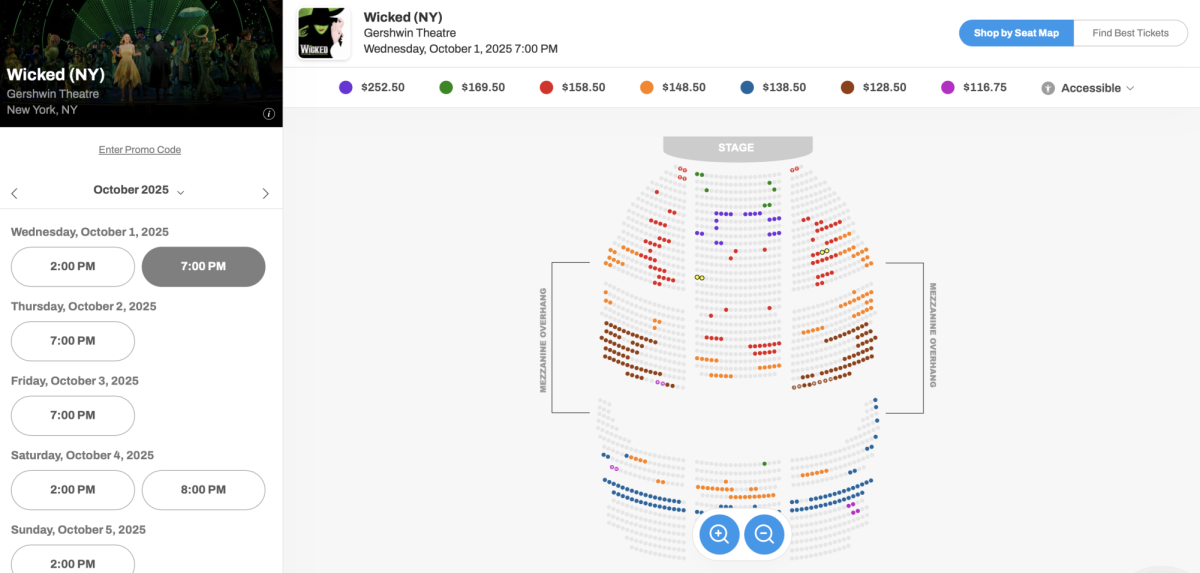
In the musical “Wicked”, Elphaba sings, “Tell them how I’m defying gravity.” Although theater is seen as escapism, not even the burden of money can be escaped from when playing a different character in a different world, where the possibilities are seemingly endless. Even in fictitious worlds like Wicked, where defying gravity is possible, one cannot defy the laws of debt and money. Theater is a place to see people enjoy themselves on stage, yet how can one see themselves on stage if they are barred due to the price tag of the tickets or the tuition? Theater is meant to foster empathy, yet these theater companies don’t emphasize the importance of equal access for all.